
A Fisheries Reserve – also called a fish protected area – is a stretch of river identified by local communities where fishing restrictions are put in place.
These are not imposed from outside. The community decides the rules themselves. Depending on their vision, restrictions can be stricter or milder, as long as they remain within Namibian law.
There are currently 10 gazetted reserves in Namibia, all in the Zambezi region:
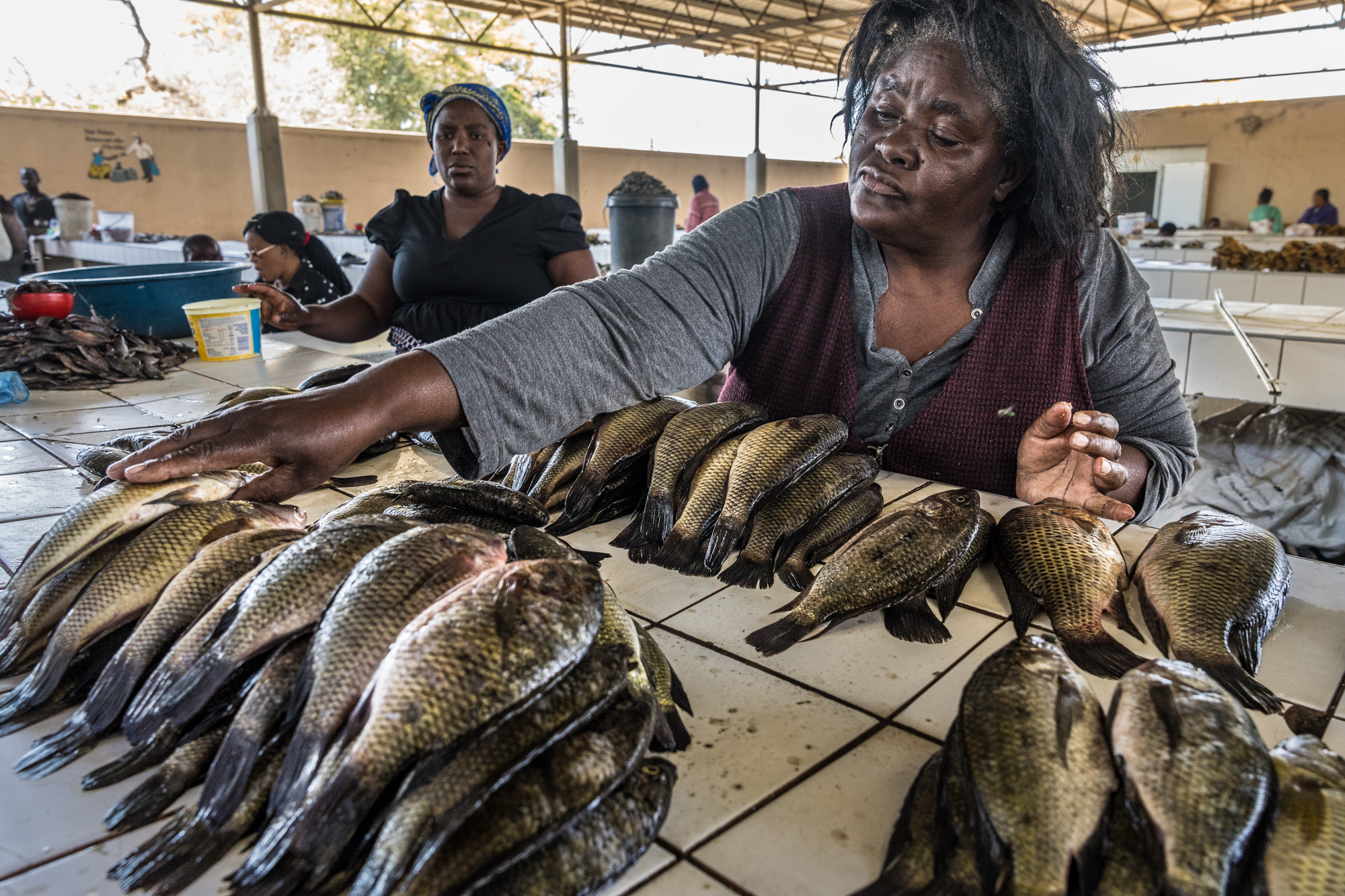
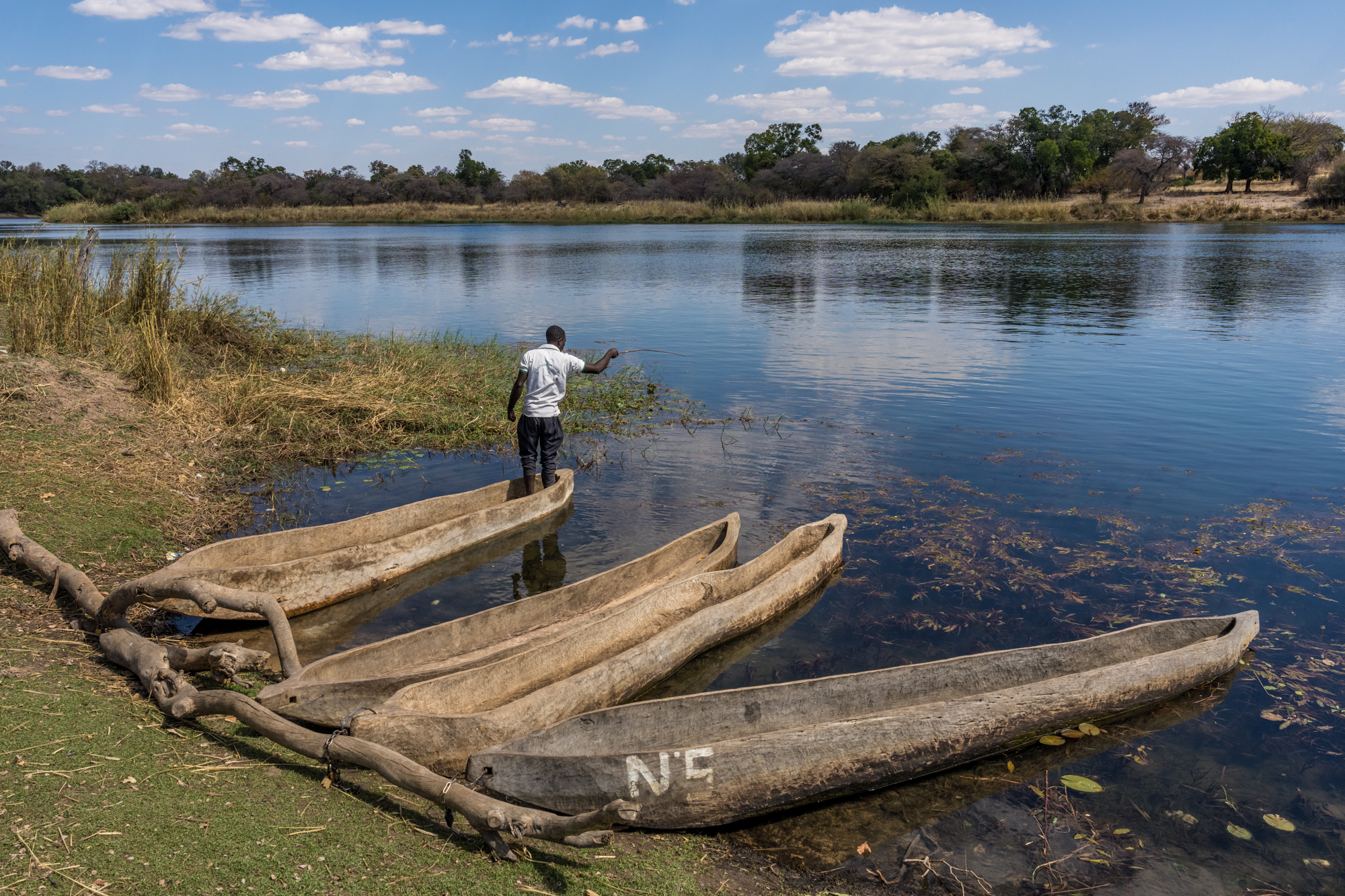
Natural ecosystems have limits. However high the demand, a river can only produce so much.
Without management, the fish species most important for food and trade risk disappearing altogether.
Women, children and the rural poor are hit hardest. They depend on fish as an affordable, accessible source of protein. When fish becomes scarce or too expensive, they feel it first.
This is community-based natural resource management (CBNRM), adapted for water. The same principles that brought Namibia’s conservancies success are now being applied to its rivers.
There are currently 10 gazetted Fisheries Reserves in Namibia’s Zambezi region.
They are fully integrated into the management of six communal conservancies:
Yes. Early results are very encouraging.
Inside the reserves:
These recovering stocks then spill over into the wider river system. Fishermen outside the reserves are already noticing the difference in their catches.
Local communities come first.
Fish is returning as an affordable, accessible source of protein. For families who once ate fish daily and now can only afford it once a week, this is a tangible change.
But the benefits flow wider:
Twenty to thirty years ago, riverine communities ate fish almost daily. Now, many families eat it only once a week. The reason is not preference – it is price and availability.
Fish is an undervalued source of micronutrients. Small fish, often overlooked, are particularly rich in vitamins and minerals essential for child development and maternal health.
Raising awareness of the nutritional, social and cultural importance of fish is now part of the programme.
The Namibia Nature Foundation (NNF), in collaboration with the Ministry of Fisheries and Marine Resources, has spent years building expertise in inland fisheries management.
Work began along the Kavango and upper Zambezi. Over the last eight years, that knowledge has been steadily scaled up across the KAZA TFCA landscape – sharing lessons, training monitors and supporting communities to take ownership of their rivers.
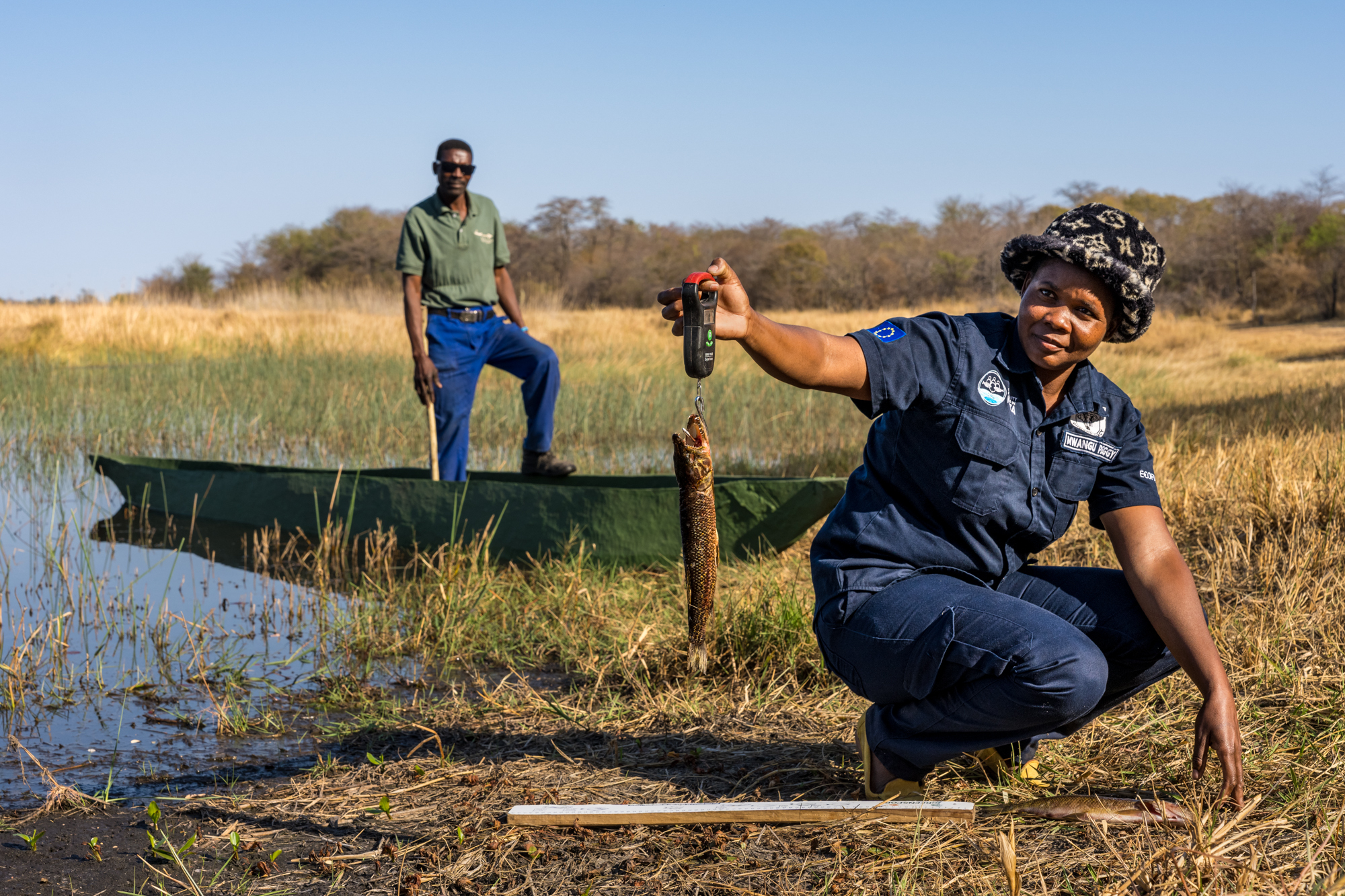
A number of projects were and are being implemented under the Community Fisheries program:
| Title | Timeframe | Donor |
| Community Conservation Fisheries in KAZA | 2013 – 2018 | EU |
| Sustainable fisheries along the Kwando | 2018 – 2021 | WWF / Morby Charitable Foundation |
| Transboundary restoration on the Zambezi | 2019 – 2022 | Peace Parks Foundation/ Common Foundation |
| Kavango the Aqueduct of Life: Supporting People Securing our Common Waters | 2019 – 2021 | Resilient Waters/USAID |
| Joseph Mbambangandu Demo Site | 2019 – 2020 | Okacom |
| Strengthening Community Fisheries in KAZA | 2020 – 2023 | EU Mauritius & the Seychelles |
| Fisheries conservation in the upper Okavango River basin | 2021 – 2022 | TNC |
| Implementing an integrated approach to Natural Resource Management in the Middle Cubango-Okavango Basin to mitigate land degradation | 2021 – 2022 | Okacom/EU |